10 Wildlife Sanctuaries of Rajasthan
Rajasthan is a state prosperous in every aspect. It is loved by people all over the world for its entire culture. Be it Rajasthani cuisine, clothing, festivals, or even handicrafts. People admire it all wholeheartedly.
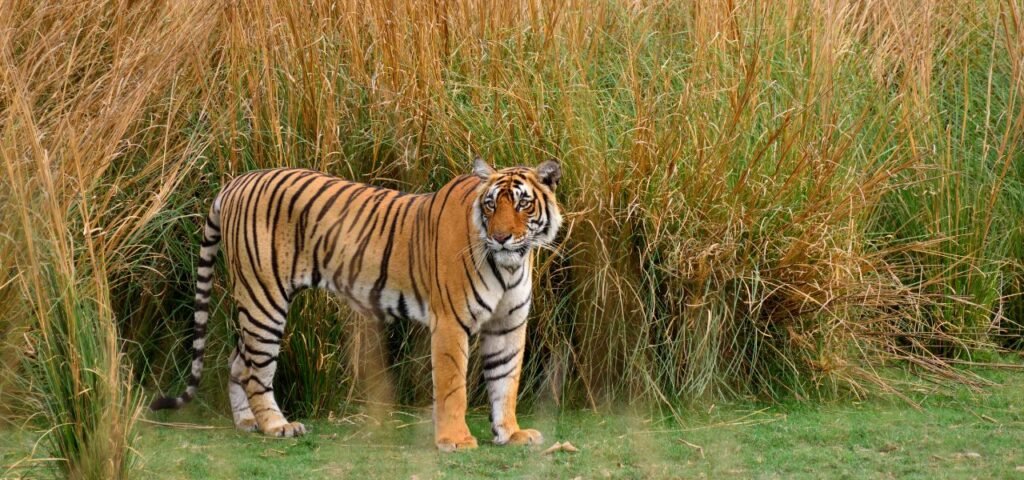
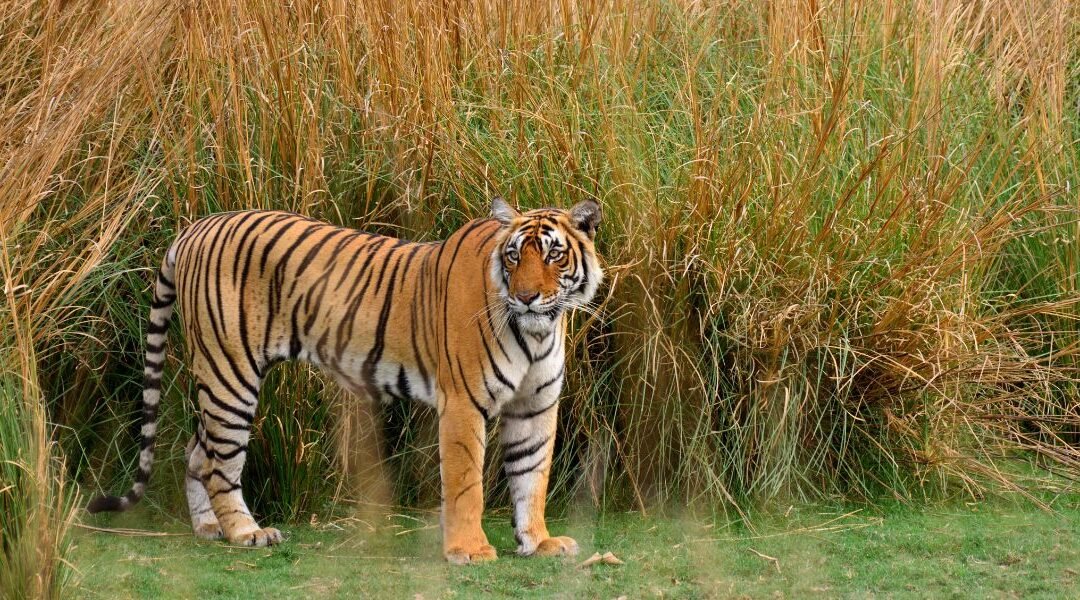
Rajasthan is also a home for many usual and rare flora and fauna. The large area of 5380 sq km, is occupied by its wildlife and bird sanctuaries. There are a total of 25 wildlife centuries, established in diverse parts of Rajasthan. Royal Bengal Tiger, Chinkara, Asiatic Wildlife, Black Buck, White Footed Fox, Great Indian Bustard, Great Indian Spotted Eagle, Leopards, Marsh Crocodiles, and hyenas are some of the regular terrestrial animals, which can be spotted in these sanctuaries.
In the past Rajas and Maharajas used these forests for hunting. Thankfully, we have surpassed those times and now all these wildlife sanctuaries protect and preserve all the rights of animals.
Here is the list of 10 wildlife sanctuaries of Rajasthan along with their entry fees, appropriate timings to visit, and more relevant information as well.
Tal Chappar Century
Established: 1966
Area: 900 Hectares
Location: Churu, Shekhawati
Best time to visit: November to February
Timings: 10:00am to 6:00pm
Entry Fee: INR 20 (per person)
Tal Chappar Sanctuary was named after Chappar village. The forest is Tropical Rainforest and grassland. A special kind of rare grass grows here called Mothiya grass and is used for eating purposes. Tal Chappar is home to many rare species. It also includes two rest houses, a four suite room for accommodation.
Also if you are looking forward to exploring more, Aangan Resort in Mandawa is a luxurious resort that offers you the best deals at fair prices. The resort exists among lush greenery and has picturesque surroundings so you can feel a bit relaxed and peaceful. You can stay here and explore many exotic nearby palaces.
Gajner Wildlife Sanctuary
Area: 24 sq km
Location: Bikaner
Best time to visit: November to February
Timings: 10:00 am to 5: 00 pm
Entry Fee: INR 100 (per person)
Gajner Wildlife Sanctuary is located at a distance of 32kms from Bikaner. It is home to many species of plants, animals, and trees. Ratites and Bird species like Wildfowl, Deer, Antelope, Chinkara, Black Buck Desert Fox dwell here. There is also a lake inside the sanctuary, augmenting its scenic beauty. The sanctuary has also been selected for the Cheetah Reintroduction project. Wildlife safaris are available at decent prices for tourists to explore the sanctuary.
Ramgarh Vishdhari Wildlife
Established: 1982
Area: 252.79kms
Location: Bundi, Nainwa Road
Best time to visit: November to March
Timings: 07:00 am to 06: 00 pm
In 1982 the part of the large forest was announced as Ramgarh Vishdhari Wildlife. Now it acquires most of the land and preserves the deviant wildlife species like a mother to them. Species such as Leopard, Smaller Cats, Chinkaras, Nilgais Wild Board can be observed here. Ramgarh Wildlife lies 82 km from Bundi and greatly attracts national tourists as well as international ones.
Mount Abu Wildlife Sanctuary
Established: 1980
Area: 288 sq km
Location: Aravalli Ranges, Mount Abu
Best time to visit: October to March
Timings: 09:30 am to 05:30 pm
Entry Fees: INR 500 to 600 (per person)
Mount Abu is spread across Guru Shekhar, the highest peak of Rajasthan. It is rich in flora and fauna. The forests Are thorn and evergreen forests. Particularly, the sanctuary contains 81 species of trees, 89 species of shrubs, 28 species of climbers, and 17 species of tuberous plants. Rare and endemic plants, a variety of orchids and bryophytes, and algae can be perceived here. The Southwest part of the forest is taken up by bamboo trees.
Indian Leopard, Wild boar, Sloth bear, Indian Fox, Grey langur are some faunas living here.
Todgarh- Raoli Sanctuary
Established: 1983
Area: 495 sq km
Location: Todgarh District
Best time to visit: Winter Season
Timings: Open 24 hours
Entry Fees: INR 65 for Indians(per person)
INR 365 for foreigners
Todgarh- Raoli sanctuary lies in the middle of the Aravalli Range. It has spread its wings in Ajmer, Pali, and Rajsamand. The 495 sq km area is Tropical deciduous forest and grasslands. Wildlife includes sloth Bear, Indian Leopard, Golden Jackal, Indian Wolf, Striped hyena, Langur, Chinkara, Asiatic, Bengal Tiger, and Indian Pangolin. Dudhaleshwar Temple inside the Raoli Sanctuary is the oldest one surrounded by some Banyan and Karanj trees. There is also a shivling inside the temple. Bhulberi waterfalls is an enticing 55m waterfall.
The nearest railway station is Ajmer and Beaver. So what are you waiting for? Book your tickets now and explore.
Bassi Wildlife Sanctuary
Established: 1988
Area: 15290 Hectares
Location: Chittorgarh
Best time to visit: October to February
Timings: 10:00 am to 05:00 pm
Entry Fees: INR 10
INR 80 foreigners (per person)
Bassi Wildlife Sanctuary lies at a distance of 5 km from Bassi Fort Palace. The sanctuary surrounds the western border of Vindhyachal range from a side and includes Bassi and Orai dams. Wildlife animals such as jackals, cranes, panthers, porcupines, wild bulls, civets are ocular here. Occupied by trees like dhok, churel, and butia, the forests are dry and deciduous. These trees have crucial medicinal properties. Many migratory birds fly here too.
Bassi Wildlife undoubtedly is home to many rarest species.
Ranthambore National Park
Established: 1980
Area: 1334 Esq km
Location: Sawai, Madhopur, Rajasthan
Best time to visit: October to March
Timings: 07:00 am to 06:00 pm
Entry Fees: No entry fees
Ranthambore National Park is a world-famous wildlife sanctuary. It was named after Ranthambore Fort. This Dry Deciduous Forest shelters around 5396 species of flora. There are three temples and a lake named Padam Talao is situated inside the sanctuary.
You will be pleased to see all the deviant and rare species here, on your visit.
Bharatpur Bird Sanctuary
Established: 1982
Area: 29 sq km
Location: Bharatpur
Best time to visit: October To March
Timings: 8:00am to 5:00pm
Entry Fees: INR 50
INR 400 foreigner(per person)
Bharatpur Bird Sanctuary is also known as Keoladeo national park. The park has around 350 species of birds. In 1971, the sanctuary was proclaimed as National Parks of India. Keoladeo acts as a fence around the city and protects the city from catastrophes like floods or heavy rainfall. It also provides grazing grounds for cattle. The sanctuary gives shelter to approx 366 bird species, 379 floral species, 50 aquatic species, and 13 species of snakes. Merely visiting this World Heritage Site will give you so much knowledge about flora and fauna.
Sariska Tiger Reserve
Established: 1992
Area: 881 sq km
Location: Alwar District
Best time to visit: October to June
Timings: 06:00am to 06:30pm
Entry Fees: INR 20 ( per person)
INR 100 foreigners
Sariska Tiger Reserve is 107 km from Jaipur. It was declared as a National Park in 1990. Reserve is comprised of Thorn Forests, Deciduous Forest, Grasslands, and Hills. Wildlife species such as Chital, jungle cat, striped hyenas, Javan Mongoose, rhesus macaque, Nilgai, Small Indian Civet and so many more can be found here. Feathered species you have never even heard of, let go of the idea of seeing them, can be seen here. For instance, bush quail, trippies, sand grouse, white-throated kingfisher, and Indian peafowl.
Kailadevi Wildlife Sanctuary
Established: 1983
Area: 676.40 sq km
Location: Karauli Tehsil, Karauli District
Best time to visit: September to March
Timings: 10:00am to 5:00pm
Entry Fees: INR 5000(For 4 person, includes guide and vehicle)
Named after Kailadevi Temple, The Wildlife Sanctuary is 146 km from Jaipur. It extends to join Ranthambore. Inside these Dry deciduous forests, Sambhal, Wolves, Hyenas, Wild pigs, jackals, and tigers live here. Jungle safaris and vehicle rides are available to wander around the sanctuary without getting tired.